
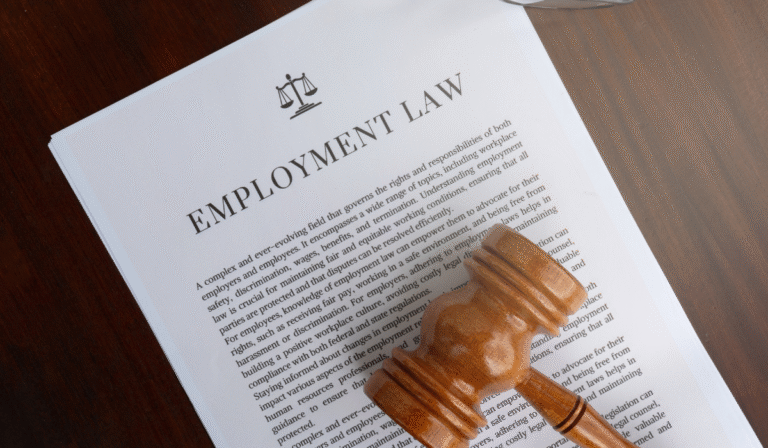

California Employers_ Arbitration Fee Relief, New AI Rules, and October 2025 Compliance To-Dos

California Employers: Arbitration Fee Relief, New AI Rules, and October 2025 Compliance To-Dos 

California employment law is moving fast this year. Below are three developments employers should act on now: arbitration fee timing, AI in hiring/HR, and new October 2025 workplace laws. 

1) CA Supreme Court eases “gotcha” outcomes on late arbitration-fee payments 

In Hohenshelt v. Superior Court (Aug. 11, 2025), the California Supreme Court clarified that not every late arbitration-fee payment automatically forfeits arbitration. As summarized by CDF, courts may excuse unintentional, non-willful delays under doctrines like impracticability (Civ. Code §1511), relief from forfeiture (Civ. Code §3275), or mistake/excusable neglect (CCP §473(b))—though employers must still pay promptly and document why any delay occurred (see CDF’s analysis: CA Supreme Court offers relief to employers for unintentional arbitration fee delays). 
Action: tighten calendaring for arbitration invoices; add a clear payment window in agreements; create a one-page “late-payment incident” memo template. 

2) California approves rules regulating AI in employment decision-making 

California has adopted ground rules to prevent discrimination when employers use AI/automated tools in recruiting, screening, or employment decisions. Expect duties around notice, validation, bias controls, and recordkeeping. For an overview, see Sheppard Mullin’s California approves rules regulating AI in employment decision-making and align your vendor controls. 
Action: inventory every automated tool in your talent stack; obtain vendor bias-testing attestations; add human-in-the-loop review for adverse decisions; refresh your applicant notices and retention schedule. 

3) October 2025 brings a “heap” of new workplace laws 

A multi-state slate of laws takes effect in October—many on October 1, 2025—with trends including AI regulations in employment, pay transparency, paid leave, and data privacy. Fisher Phillips provides a concise roundup: Workplace laws taking effect in October 2025. 
Action: run an October readiness sprint: 

  • Update job postings and pay-range disclosures where required. 
  • Align time-off/leave policies with state/local changes. 
  • Add an AI compliance appendix to your handbook (definitions, notices, appeals). 
  • Train HR/leaders on consistent documentation and adverse-action review. 


How Voyage Employer Services can help 

  • Compliance tune-up: Handbook/notice updates, arbitration-fee procedures, AI governance checklists. 
  • Talent systems audit: Map your recruiting/HR tech for AI touchpoints; implement practical bias-control steps. 
  • Flexible staffing: Bridge gaps while you update processes—without long-term headcount risk. 

Let’s get your October playbook locked. We’ll align policies, people, and tools—so you stay compliant and hiring stays smooth. 

Follow Up on Social

Lastest Post

Sign Up for Our Monthly Newsletter to Stay Informed!


Laura

Laura is the HR Manager at Voyage Employer Services, certified and highly experienced in mitigating staffing issues and addressing potential liabilities. Her expertise ensures that the company navigates staffing challenges efficiently, minimizing risks and maintaining smooth operations. Laura's proactive approach and deep understanding of HR practices are crucial in supporting the company's goals and fostering a positive work environment.

Related Posts

Language

Languege