A Changing Workforce Landscape
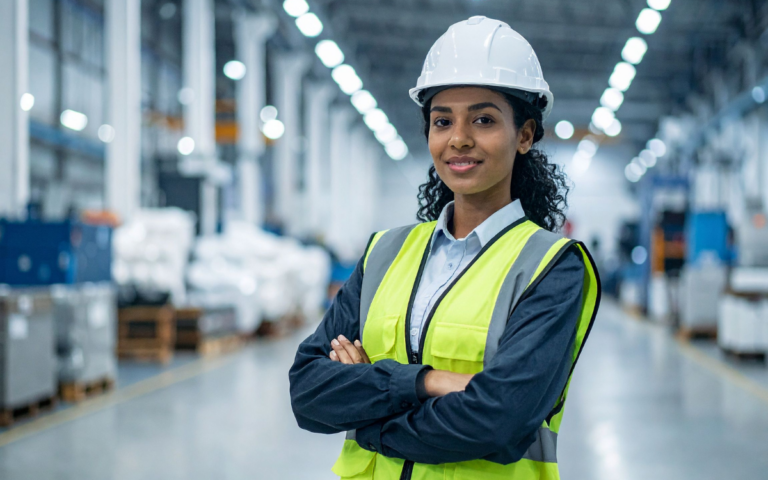
For decades, industries such as manufacturing, logistics, transportation, and skilled trades were often perceived as male-dominated fields. However, the workforce landscape is rapidly evolving. Across the United States and globally, more women are entering these sectors and reshaping how organizations think about talent, innovation, and opportunity.
This shift is particularly important as industries face ongoing labor shortages and growing demand for skilled workers. Expanding access to skilled trades careers and industrial roles allows companies to strengthen their talent pipelines while supporting gender equality at work.
According to research discussed by McKinsey in its Women in the Workplace insights, organizations that prioritize gender diversity tend to perform better in innovation, collaboration, and long-term growth. Diverse teams bring new perspectives, stronger problem-solving abilities, and greater resilience.
In other words, supporting women in the workforce is not only a social priority—it is also a business advantage.
Why More Women Are Choosing Industrial Careers
Several factors are driving the growing participation of women in manufacturing and related sectors.
First, many of these industries offer competitive wages and strong career stability. Skilled roles in manufacturing, logistics, and transportation often provide clear advancement pathways, technical training, and long-term employment opportunities.
Second, companies are increasingly recognizing the importance of inclusive hiring and workforce development programs. As businesses expand recruitment efforts and create more accessible training programs, women are discovering new professional possibilities within these industries.
Research published through EBSCO highlights that women’s participation in the workforce has historically expanded when economic opportunities and education access improve. As organizations open doors to diverse candidates, women are able to build careers that were once considered inaccessible.
Breaking Barriers in Logistics and Skilled Trades
The logistics sector offers a powerful example of how industries are evolving. Historically dominated by male workers, logistics and supply chain roles are now welcoming more women into operational, technical, and leadership positions.
Research made by Shalu Nigam, from Indian Renaissance Institute on gender participation in logistics, emphasizes that breaking barriers requires both organizational commitment and cultural change. When companies promote fair hiring practices, mentorship programs, and equal advancement opportunities, they create environments where women can thrive.
These efforts not only benefit individual workers but also strengthen the industry as a whole. Diverse teams often communicate more effectively, adapt faster to challenges, and contribute to stronger workplace cultures.
For employers, this shift represents a critical opportunity to expand the available talent pool.
The Role of Inclusive Hiring
Inclusive hiring practices play a key role in sustaining progress. Organizations that prioritize fairness, accessibility, and professional development build workplaces where employees feel valued and supported.
Providing equal access to training, safe working conditions, and leadership opportunities ensures that women entering industrial roles can grow professionally and contribute fully to organizational success.
At the same time, representation matters. When more women succeed in skilled trades careers, they inspire future generations to pursue similar paths, gradually reshaping industry expectations.
Building a More Equitable Workforce
As industries continue to evolve, empowering women within manufacturing, logistics, and skilled trades will remain essential for long-term growth. Companies that champion diversity strengthen not only their workforce but also their communities.
Promoting gender equality at work creates opportunities, drives innovation, and helps organizations build resilient teams capable of meeting the demands of modern industries.
Turning Diversity Into Competitive Advantage
A multilingual workforce is not a challenge to overcome—it is a strength to leverage. Diverse teams bring broader perspectives, adaptability, and community connection.
However, without strong workplace communication strategies and inclusive systems, that potential remains untapped.
Organizations that prioritize communication, culture, and compliance build safer, more productive environments where employees can perform confidently and consistently.
Voyage’s Commitment to Opportunity and Equality
At Voyage Employer Services, we believe that every person deserves access to meaningful career opportunities. We are committed to supporting women in the workforce by connecting talented individuals with employers in high-demand industries such as manufacturing, logistics, and skilled trades.
By promoting inclusive hiring practices and equitable workplace environments, Voyage works alongside employers who share the goal of building fair, respectful, and empowering workplaces.
This International Women’s Day, Voyage proudly supports the progress of women breaking barriers across industries—and remains committed to helping create workplaces where talent, opportunity, and equality grow together.